
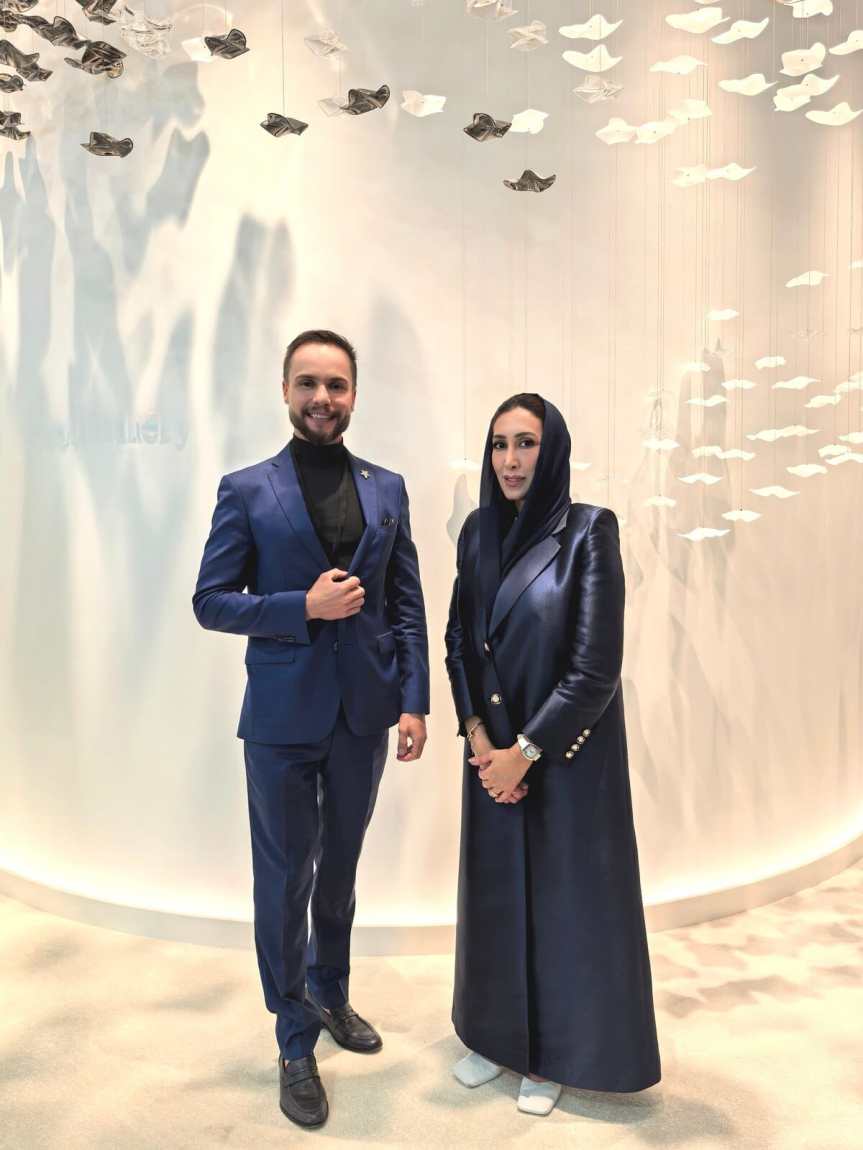
Dubai’s fashion scene has undergone a remarkable transformation, evolving into a vibrant ecosystem that’s making waves on the global stage. To understand this shift, we had a conversation with Egor Sharay, a well-known journalist, media personality, and cultural analyst based in Dubai. Sharay offered a deep dive into the key players and initiatives that are propelling Dubai to the forefront of the fashion world, turning the city into a hub for creativity, innovation, and luxury.

One of the most striking examples of Dubai’s rise as a fashion center is Arab Fashion Week. Established in 2015 by the Arab Fashion Council – which is headquartered in Dubai – this event is held twice a year in the city and has become a focal point for fashion in the region. Unlike traditional fashion weeks, Arab Fashion Week emphasizes ready-couture, a concept that combines the luxury and craftsmanship beloved in the Middle East with modern, wearable styles. This unique approach has positioned the event as a platform for both regional and international designers, showcasing collections that reflect the creativity and diversity of the Middle Eastern fashion scene.

“Notable designers such as Amato Couture and Michael Cinco have made their mark through Arab Fashion Week, with their creations now seen on global icons like Beyoncé, Jennifer Lopez, and Lady Gaga. This kind of exposure highlights that Dubai is not merely a stage for international fashion brands; it’s a launchpad for homegrown talent that’s attracting international attention, pointed Egor Sharay.
At the heart of this transformation lies the Dubai Design District (d3), a creative hub that’s central to the city’s fashion evolution. This district is home to over 500 companies involved in fashion, design, and the arts. Major international brands, like D&G, Dior, Valentino, operate alongside innovative local designers, all of whom contribute to the dynamic energy of the district. d3 has become a symbol of Dubai’s ambitions, serving not just as a business space but as a thriving community that hosts pop-up stores, exhibitions, and high-profile events such as the Dubai Design Week and Sole DXB, a streetwear festival that draws a wide audience of fashion enthusiasts and influencers.
Sharay pointed to a wave of homegrown talent that is redefining Dubai’s fashion identity. Designers like Hessa Falasi, known for her modern interpretations of traditional abayas, and Lama Jouni, whose work bridges streetwear and high fashion, have found platforms not only in local fashion events but also on the international stage. Brands like Bouguessa, with its minimalist take on luxury abayas, and Bambah Boutique, which blends vintage styles with a distinct Middle Eastern twist, are gaining global recognition. Bouguessa’s work, in particular, has caught the eye of celebrities like Beyoncé, showcasing the power and potential of local design.
Luxury retail remains a cornerstone of Dubai’s fashion landscape. The city is known for its extravagant shopping malls, including The Dubai Mall and Mall of the Emirates, which are home to flagship stores for nearly every major luxury brand – Louis Vuitton, Gucci, and more. “These malls have evolved into global fashion destinations, hosting special installations and pop-up events by major labels like Dior and Chanel. The presence of luxury retail giants such as the Chalhoub Group and Al Tayer Group has also been instrumental in establishing Dubai as a key market for the world’s biggest brands, facilitating their entry and expansion in the Middle East”, added Egor Sharay.
Dubai’s fashion scene is not just about luxury and glamour; it’s also about sustainability and innovation. A new wave of designers and brands is pushing the boundaries of eco-friendly fashion, with companies like The Giving Movement leading the charge. This Dubai-based brand specializes in sustainable activewear, produced ethically and made from eco-friendly materials. Their success speaks to a new generation of consumers who are socially conscious and environmentally aware.
“The digital transformation in Dubai’s fashion industry has also been significant. The pandemic accelerated a shift towards virtual fashion experiences, with fashion shows going online and the introduction of 3D printed couture. Technology is being seamlessly integrated into the fashion landscape, with Dubai hosting collaborations between fashion and tech companies at major events like GITEX Global. These initiatives show that Dubai is not just keeping pace with global fashion trends – it’s often leading the way, said Egor Sharay.
E-commerce has revolutionized the fashion landscape in Dubai as well. Platforms like Namshi and Ounass are changing how people shop, offering a curated selection of both local and international brands. Meanwhile, global e-commerce giants like Farfetch and Net-a-Porter have established a strong presence in Dubai, making the city a central hub for fashion in the region. Dubai’s logistical advantages, from the Jebel Ali Port to a sophisticated air cargo network, have made it a key player in the fashion e-commerce space, ensuring rapid delivery and excellent service.
The city’s commitment to developing its own talent is another cornerstone of its fashion strategy. Educational institutions like the French Fashion University Esmod Dubai and the Dubai Institute of Design and Innovation (DIDI) are cultivating the next generation of designers, stylists, and fashion entrepreneurs. These schools offer programs that blend traditional design skills with cutting-edge technology, creating a talent pool that’s ready to compete on the global stage. This educational focus aligns with Dubai’s long-term vision of creating a sustainable and independent fashion industry that contributes to the city’s broader creative economy goals.
Dubai’s impact on the regional fashion scene extends far beyond its own borders. The city has become a gateway to the Middle East and North Africa, a multicultural hub where designers, investors, and fashion enthusiasts from across the Arab world, Africa, and Asia converge. By fostering cross-border collaborations and hosting international events, Dubai has positioned itself as a meeting point for diverse styles and cultures, making it a truly global fashion city.
From luxury malls and iconic fashion weeks to groundbreaking designers and a focus on sustainability, Dubai is not simply following global trends; it is setting them. The city’s determination to become a global fashion hub is evident in every corner of its rapidly evolving fashion ecosystem. As Egor Sharay noted, Dubai’s fashion scene is dynamic, ambitious, and unafraid to challenge conventions, making it a force to be reckoned with in the international fashion world.
About Egor Sharay
Egor Sharay is recognized for his engaging and insightful journalism, covering a wide range of topics including contemporary culture, societal trends, and the ever-evolving media landscape in the UAE and beyond. His work often delves into how Dubai, as a melting pot of global cultures, influences and is influenced by media trends, entertainment, and lifestyle.
With a finger on the pulse of the media industry, Sharay’s contributions to journalism include in-depth interviews, analytical pieces, and commentaries that explore everything from emerging social issues to technological advancements in media. His analysis is often characterized by a thoughtful examination of how traditional and new media intersect, particularly in a region where rapid modernization coexists with cultural heritage.
 uaenews4u.com