
9 June 2026; Ras Al Khaimah, UAE: Growing scientific evidence is drawing attention to an often-overlooked aspect of maternal health—oral hygiene—as researchers increasingly explore its potential link to pregnancy outcomes.
Recent studies have identified bacteria commonly associated with gum disease in placental tissue, amniotic fluid and fetal membranes, adding to a growing body of research suggesting that poor periodontal health may be associated with adverse pregnancy outcomes such as preterm birth, low birth weight and preeclampsia.
While the exact relationship is still being studied, experts say the findings highlight the need to view oral health as an integral part of prenatal care rather than a separate concern.
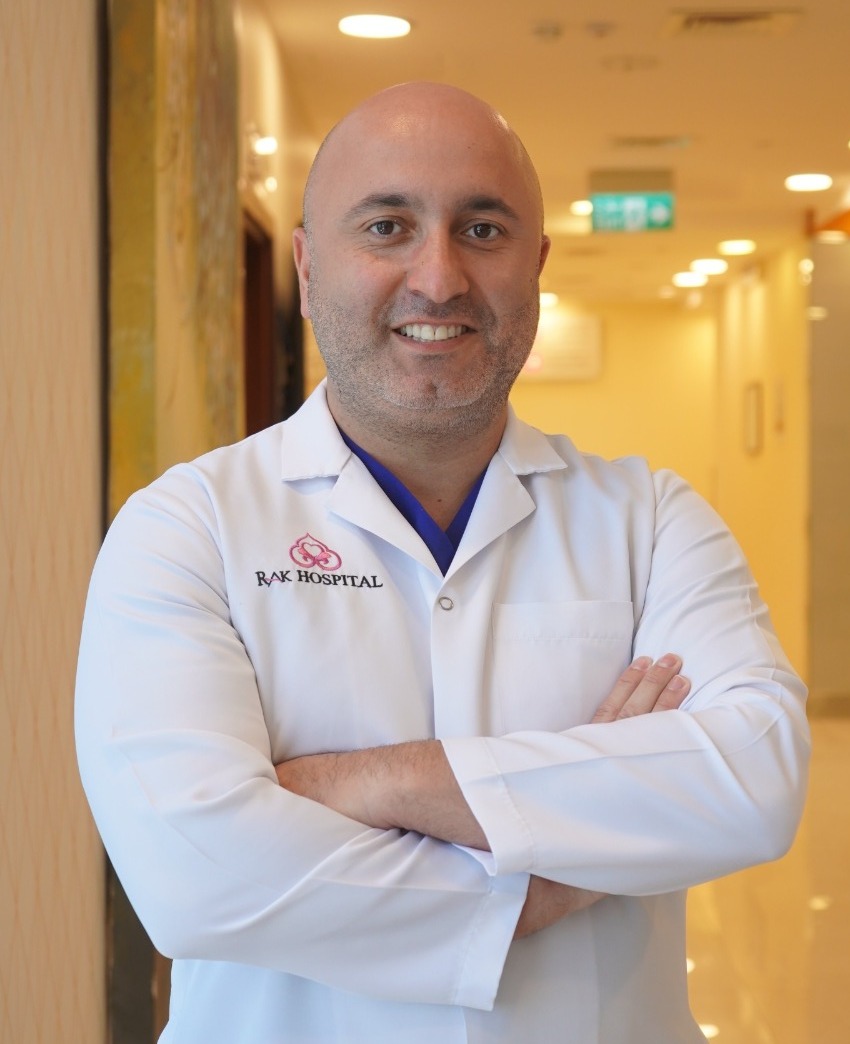
“For many years, oral health was viewed separately from overall health, but we now know the two are closely connected,” said Dr. Nima Sabzchamanara, General Dentist at RAK Hospital. “The mouth is a gateway to the body. When gum disease leads to chronic inflammation, bacteria and inflammatory markers can enter the bloodstream and potentially affect other organs, including the placenta.”
Among the bacteria being closely studied is Fusobacterium nucleatum, commonly found in periodontal disease. Researchers have detected this microorganism in placental tissue and fetal membranes, prompting further investigation into how oral bacteria may travel through the body during pregnancy.
Experts believe that chronic inflammation may be one of the key mechanisms linking periodontal disease with pregnancy complications. At the same time, pregnancy itself can increase susceptibility to gum problems due to hormonal changes that heighten blood flow to the gums, making them more sensitive, swollen and prone to bleeding.
“Bleeding gums are often one of the earliest signs of gum inflammation,” Dr. Nima explained. “Many expectant mothers understandably prioritise their baby’s health, but changes in oral health should not be ignored. Early intervention can make a meaningful difference.”
Despite common misconceptions, dental care during pregnancy is considered safe and is recommended by leading health bodies, including the American Dental Association and the American College of Obstetricians and Gynecologists, which advise routine dental examinations, cleaning and treatment when required.
Experts recommend that women who are pregnant or planning to conceive maintain consistent oral hygiene practices, including brushing twice daily with fluoride toothpaste, flossing regularly and scheduling dental check-ups.
As medical understanding of the connection between oral and systemic health continues to evolve, specialists say oral care should be more strongly integrated into conversations around maternal wellbeing.
“Pregnancy is one of the most important stages in a woman’s life, and preventive care plays a crucial role in supporting both mother and baby,” said Dr. Nima. “Taking care of your gums may seem simple, but it can be an important part of safeguarding overall health during pregnancy.”
The emerging evidence reinforces a broader shift in healthcare: the recognition that oral health is not isolated, but an essential component of whole-body health and potentially, a healthier start to life.
For more information and specialist guidance, visit RAK Hospital
ENDS
 uaenews4u.com